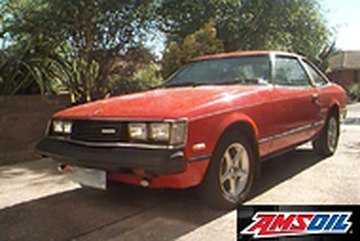
Maintaining Lubrication Standards for the 1981 Toyota CELICA 2.4L
Proper engine care for a vehicle of this era requires a focus on consistent monitoring and adherence to specific fluid requirements. For owners of the 1981 Toyota CELICA equipped with the 2.4L [R] 22R engine, maintaining the lubrication system is a fundamental aspect of long-term mechanical health. Because older engines operate under different thermal and mechanical stresses than modern counterparts, a proactive approach to fluid management is essential.Monitoring Fluid Integrity and Consumption
One of the most effective ways to monitor the health of the 2.4L engine is through regular observation of lubricant levels and condition. Rather than waiting for a warning indicator, owners should establish a routine of checking the oil level using the dipstick during standard maintenance intervals. When inspecting the lubricant, look for changes in its physical properties. While some degree of darkening is expected as oil undergoes thermal cycles, significant changes in texture or an unusual odor can be indicators that the fluid has been subjected to extreme conditions. Furthermore, observing the area around the engine for any signs of seepage or leakage is a vital part of routine service. If any wetness is detected on various gaskets or seals, it warrants closer inspection to determine if the seepage is active or merely residual residue from previous service. It is also important to note that changes in how much oil the engine consumes can be significant. If you find that you are needing to top off the levels more frequently than in previous months, this change should be investigated. Such a shift may indicate various factors ranging from minor seal aging to other internal mechanical changes.Prioritizing Maintenance Based on Current Condition
As vehicles age, maintenance strategies often shift from strictly following a calendar to focusing on the actual condition of the components. For a 1981 Toyota CELICA, this means using the current state of the engine and its accessories to dictate service priorities. If you are beginning ownership of this vehicle without a complete service history, your first priority should be establishing a maintenance baseline. This involves performing a thorough inspection of all vital fluids and components to understand the "starting point" of the vehicle's health. Once a baseline is established, you can better identify when a component is actually deviating from its normal operating state. When deciding which tasks to address first, prioritize active concerns. For example, addressing an active fluid leak or investigating an unusual mechanical noise should take precedence over general preventive measures. By focusing on the actual needs of the engine rather than just the age of the vehicle, you can manage maintenance costs more effectively and ensure that resources are directed toward the most critical areas.Observing Potential Operational Indicators
While modern vehicles rely heavily on electronic sensors, older engines often communicate through physical symptoms. Being attentive to how the 2.4L engine behaves during operation can provide early clues regarding its lubrication status. Any unusual mechanical noises that coincide with engine operation should be noted. While some noise is inherent to many older engine designs, a new or changing sound may warrant professional investigation. Additionally, if you notice any changes in exhaust characteristics—such as smoke that appears differently than it has in the past—this can be an indicator of how the engine is managing its internal fluids. It is crucial to remember that these symptoms are not definitive diagnoses. A single observation, such as a small amount of fluid on the driveway or a change in engine sound, can be associated with many different causes. The goal of monitoring these signs is to identify when a professional inspection is necessary to prevent more significant issues down the road.Managing Aging Engine Components
Maintaining an older vehicle involves a careful balance between preventive care and avoiding unnecessary replacements. For the 1981 Toyota CELICA, certain components are naturally subject to the effects of time and heat cycles. If equipped, accessible drive belts should be inspected regularly for signs of deterioration such as cracking, glazing, or fraying. Similarly, if the vehicle is equipped with various rubber hoses, checking them for softness, brittleness, or swelling can help prevent unexpected failures. Electrical connections and wiring harnesses should also be examined for any signs of corrosion or insulation breakdown, which can affect overall engine performance. When approaching these aging materials, it is best to use a condition-based approach. If a belt or hose appears to be in good condition with no visible signs of stress, replacement may not be immediately necessary. However, if the material shows clear evidence of age-related wear, addressing it proactively can provide peace of mind.Effective Record Keeping for Long-Term Ownership
For anyone looking to maintain the longevity of a 1981 Toyota CELICA, keeping detailed service records is one of the most valuable habits an owner can develop. A well-maintained logbook serves several purposes: it helps you track when the next service is due, provides a history of what has already been addressed, and offers a clear picture of the vehicle's mechanical evolution. When recording maintenance, include the date, the mileage at the time of service, the specific products used (such as oil brands and filter part numbers), and any observations made during inspections. If you notice a small leak or a minor change in engine behavior, write it down. This allows you to track whether a symptom is a one-time occurrence or a developing trend over several months. Having this documentation is particularly helpful if you ever decide to sell the vehicle, as it demonstrates a consistent approach to care. More importantly, for the current owner, it prevents the duplication of work and ensures that no critical maintenance task is overlooked due to memory lapses.Practical Guidance for Buying Engine Oil for your 1981 Toyota CELICA 2.4L
When you are ready to replenish the lubrication in your engine, the most important step is to ensure the product matches the specific requirements of your application. Rather than relying on general automotive knowledge or assumptions based on the vehicle's age, always refer to the application-specific information provided on this page. Match the engine oil to the viscosity and specifications listed in the technical data above. When selecting a product, consider the following:- Verify Specifications: Check the product label to ensure it meets the appropriate quality standards for your needs.
- Evaluate Formulations: Depending on your specific engine condition, you may choose between conventional oil, synthetic blends, or full synthetic options. Some high-mileage oil formulations contain additives intended for use in aging engines, and some high-mileage formulations include seal-conditioning additives.
- Check the Label: Always confirm that the SAE viscosity on the bottle is exactly what is called for in your vehicle's application information.